How Material Understanding Develops
The course connects familiar objects, material families, microstructure, processing, measured properties, and service conditions so technical terms do not remain isolated definitions.
Questions Before You Begin
Do I need an engineering background?
No prior engineering study is assumed. Explanations begin with familiar materials before introducing atomic bonding, microstructure, stress, strain, and property data.
How much mathematics is involved?
Practice uses basic calculations, units, graph axes, value ranges, and simple comparisons. The focus is careful interpretation rather than advanced mathematical derivation.
Will I work with real materials?
Safe household samples can support observation of texture, flexibility, mass, surface damage, and recovery. Hazardous or destructive home testing is not required.
How are technical properties compared?
Strength, stiffness, hardness, toughness, ductility, and brittleness are examined separately through examples, property tables, and stress-strain curves.
Does the course cover material choice?
Simple selection cases compare load, temperature, weight, durability, cost, processing, and likely failure modes without treating one material as universally best.
Observe, Then Interpret
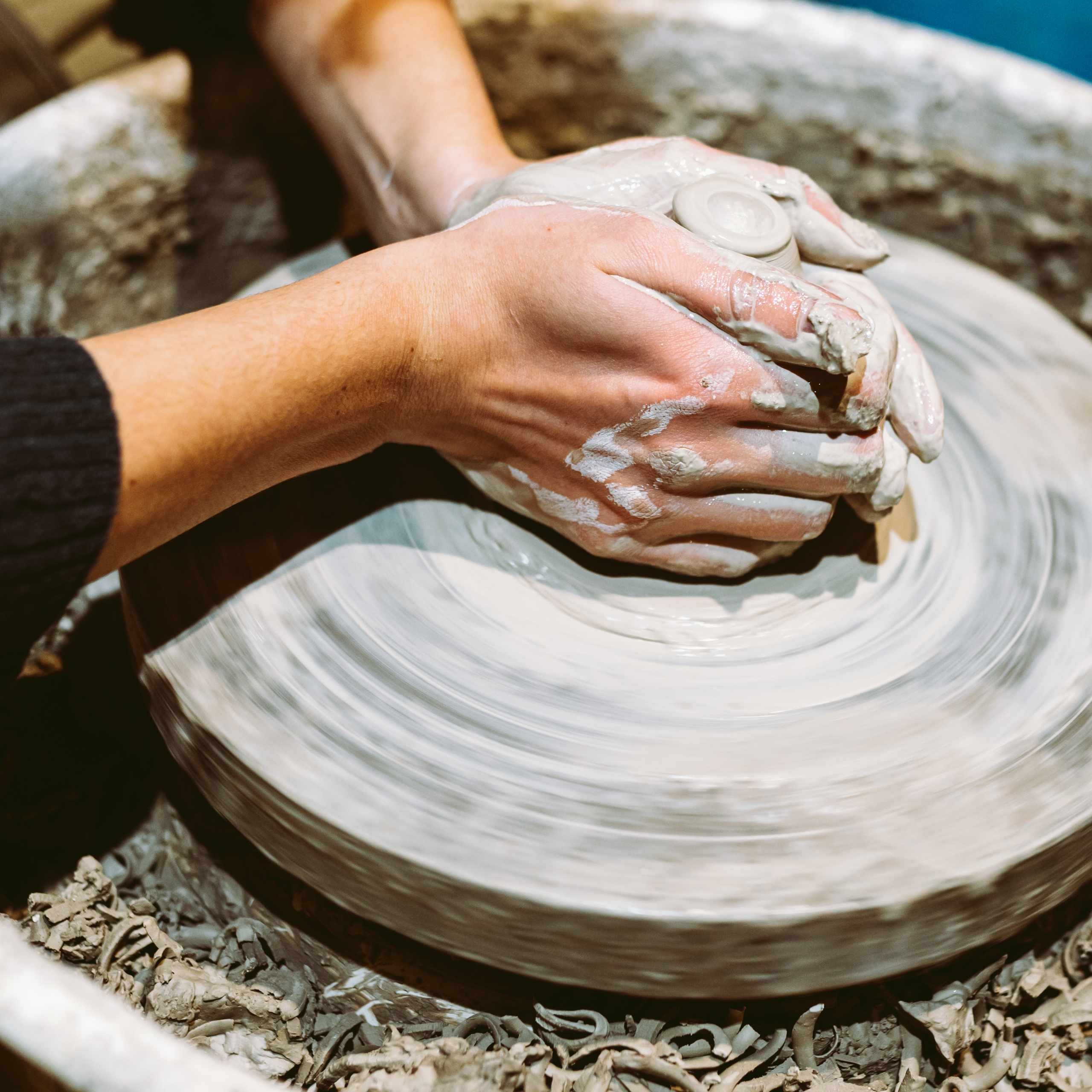
Practice begins by separating visible evidence from assumptions. A learner may note flexibility, surface wear, fracture shape, or elastic recovery, then compare those observations with diagrams, property tables, and reference data. This makes it easier to understand what appearance can suggest and what still requires measurement.

Connect Processing To Performance
Follow the chain from structure to use
Casting, forming, molding, sintering, machining, and heat treatment are not studied as isolated vocabulary. Each process is linked to possible changes in grain structure, porosity, phase, orientation, or defects. Those changes are then connected to stiffness, toughness, conductivity, corrosion, wear, fatigue, and other aspects of performance.
Clarify Your Course Starting Point
Ask about mathematics, material families, safe samples, graph practice, or the pace of technical vocabulary.
Discuss Your Starting Level